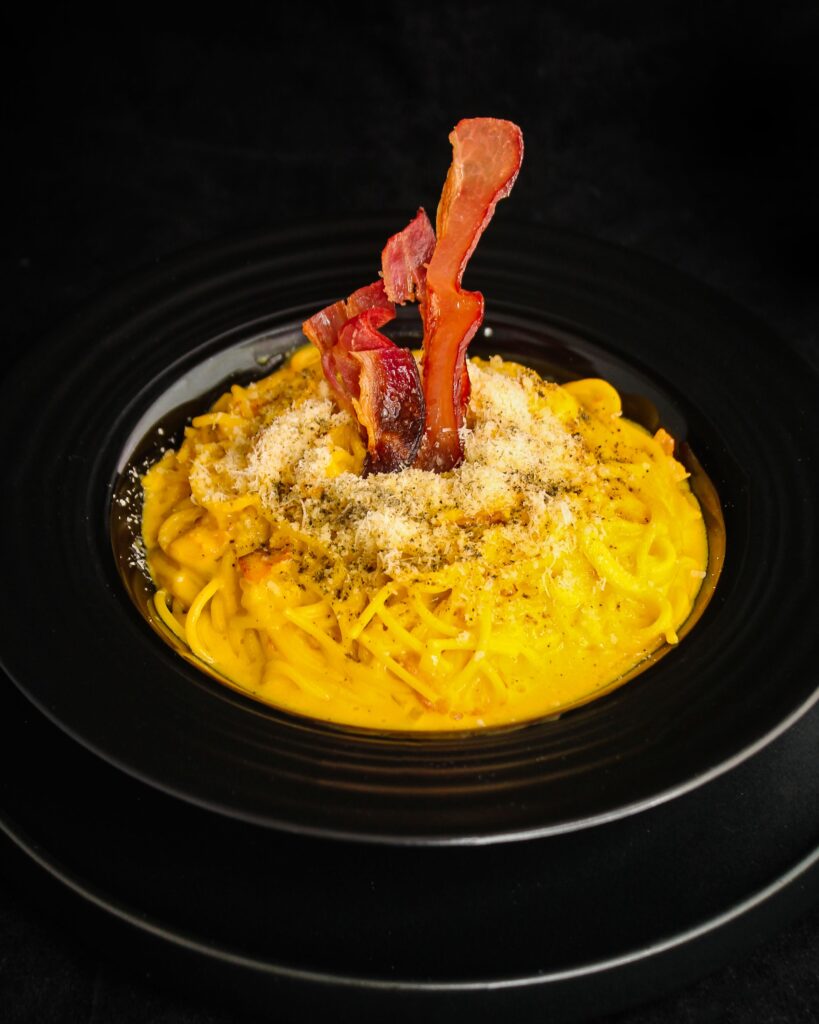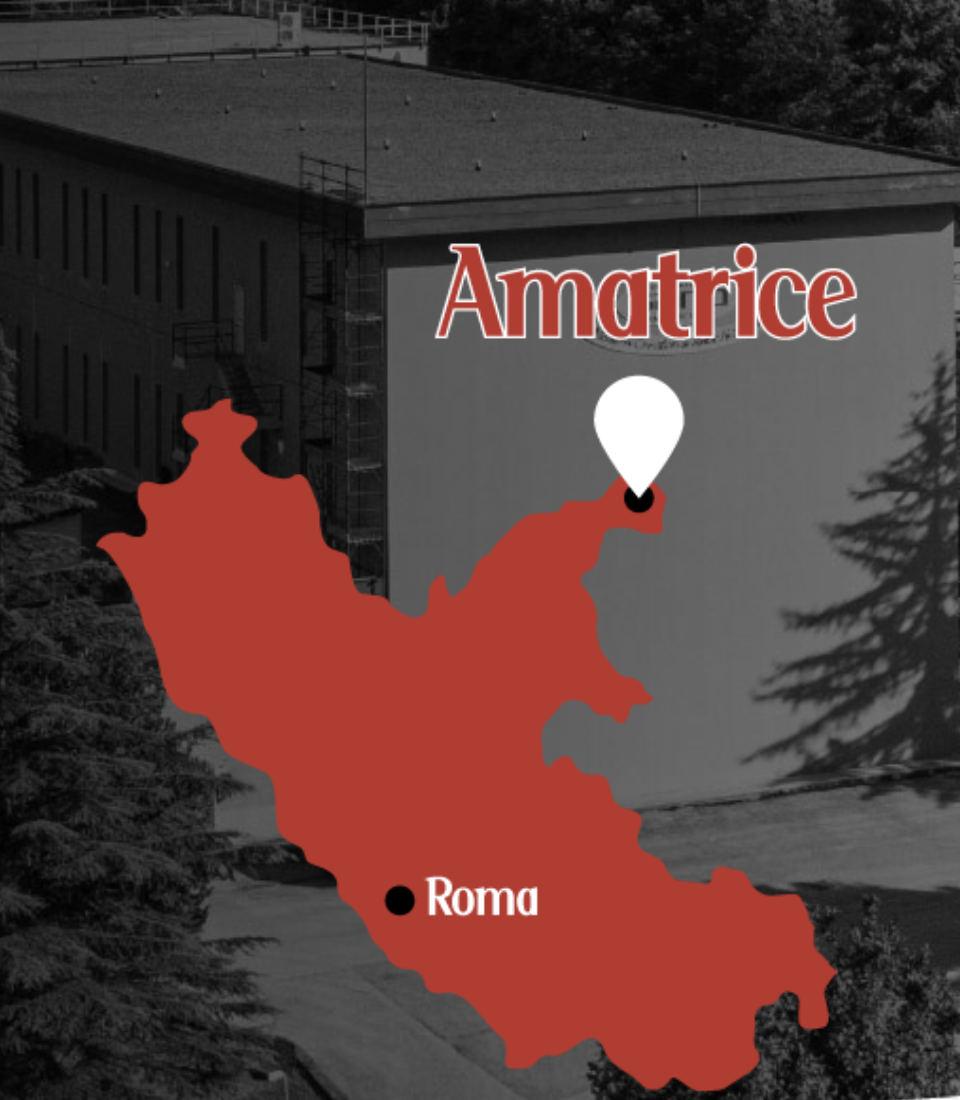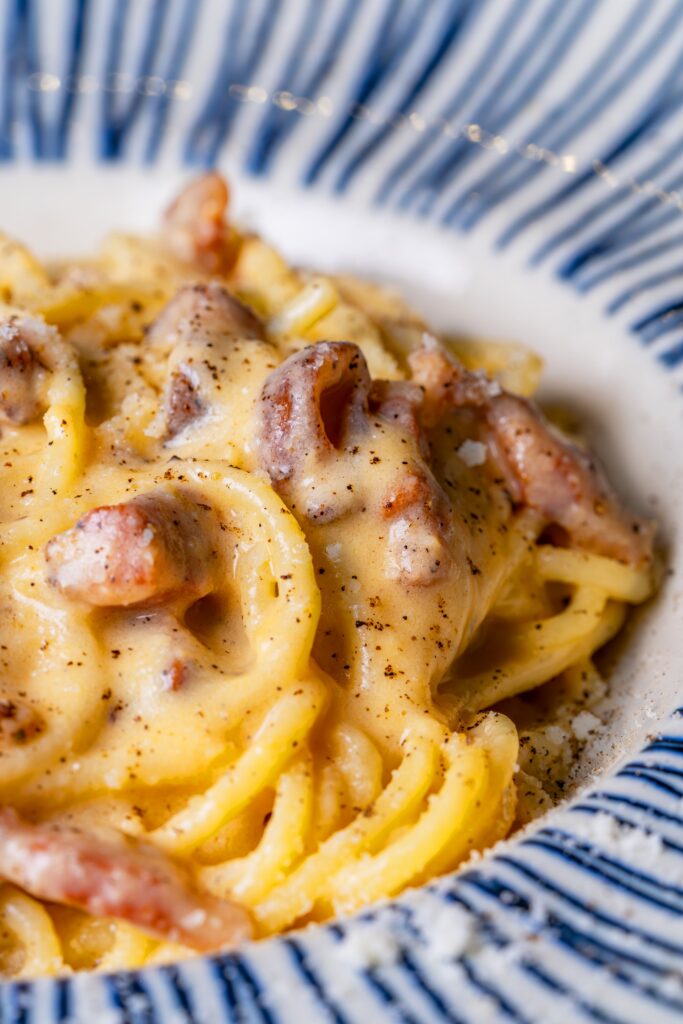
Sa.No’s De.Co.-certified Amatriciano Guanciale and IGP-certified Amatriciano Prosciutto tell the story of the resilience of a region that has continued to produce, work, and look to the future. .
August 24, 2026, will mark ten years since the night that changed Amatrice, Accumoli, and numerous towns in the central Apennines, when a magnitude 6.0 earthquake, followed by a long and complex seismic sequence, left deep scars on the land, the buildings, and the lives of the communities: an anniversary that calls for remembrance but also invites us to observe what has continued to thrive in the meantime. Local industries, artisanal skills, and culinary traditions have represented for this region not only an economic resource but also a concrete way to preserve its identity.
Among these is Sa.No, a cured meat producer founded in 1984 in Accumoli, in the heart of the Central Apennines, nestled between the Monti della Laga and Monti Sibillini National Parks, home to Guanciale Amatriciano De.Co., Prosciutto Amatriciano IGP, and other local specialties. Here, pork processing is intertwined with a tradition of pork butchery passed down through the generations and with products that have become ambassadors of Italian cuisine around the world.
Damaged Walls and Production That Never Stopped
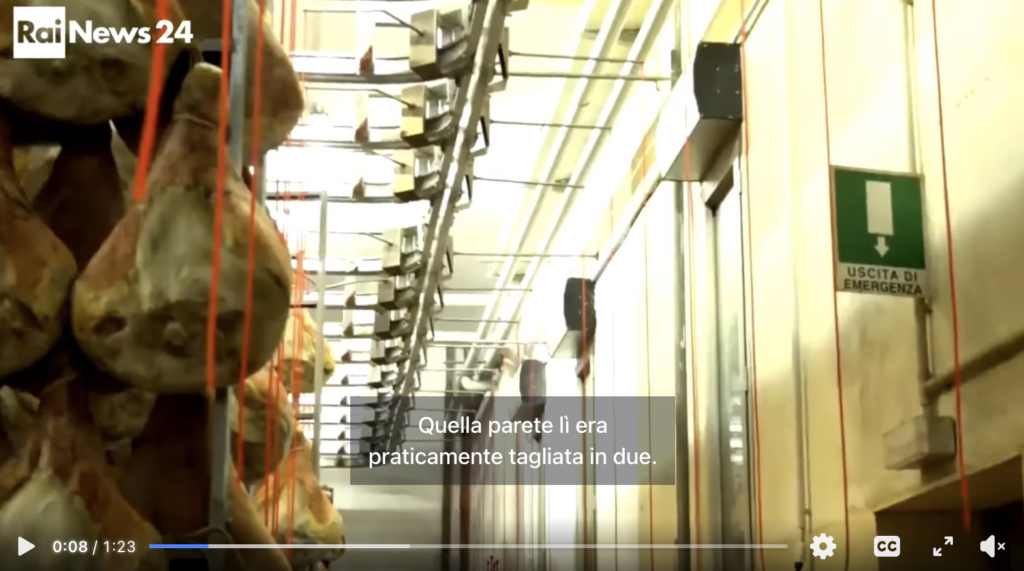
The Sa.No plant still bears the physical scars of that night. According to the story preserved by the company, during the earthquake, the exterior wall facing the street collapsed under the weight of carts loaded with hanging hams, which were violently jolted by the tremors. This image conveys not only the force of the earthquake but also the almost physical bond between the plant, its work, and the products housed within it.
In the weeks leading up to the tenth anniversary, new renovation work began on the interior walls, where some cracks remain visible to this day. This is not merely a matter of repairing a building; working on those walls means completing a journey that began ten years ago and guiding the company toward a new phase in its history, because while the cracks remain part of the memory, they do not represent the final word.
Guanciale Amatriciano De.Co., the heart and soul of the region’s cuisine
One of Sa.No’s most iconic products is the Guanciale Amatriciano De.Co., a Municipal Designation that attests to its close ties to the culinary traditions of Amatrice.

Made from the pork throat—which is characterized by high-quality fat marbled with lean streaks—the meat is salted, seasoned with spices, dried, and finally flavored with pepper during processing, which enhances its character without overpowering its taste. The curing process lasts about three months and results in a product with a typical triangular shape, a firm texture, and an intense aroma.
Guanciale Amatriciano De.Co. is not simply an alternative to pancetta. Its distinct cut, the quality of its fat, and its ability to render during cooking make guanciale a key ingredient that coats the pasta, binds the flavors together, and creates that aromatic element that instantly identifies some of the best-known dishes of Lazio cuisine. It is the heart of amatriciana and gricia and is considered the signature ingredient of carbonara. The recipe for Traditional Amatriciana, recognized as a Traditional Speciality Guaranteed, specifically identifies Amatriciano-style guanciale as the defining element of the dish.
Prosciutto Amatriciano IGP – Time as an Ingredient

In addition to guanciale and other products, Sa.No produces Prosciutto Amatriciano IGP, a specialty in which the local territory, production techniques, and aging process are inextricably linked.
Its most distinctive feature is the traditional high trim: a large portion of the leg is left exposed, giving the ham its characteristic rounded, “pear-shaped” form. This processing method increases the surface area exposed to salt and air and promotes uniform curing of the product.
The regulations for the Protected Geographical Indication (PGI) stipulate a minimum aging period of twelve months; for its Prosciutto Amatriciano PGI, Sa.No specifies at least fourteen months. The result is a slice with a rosy-red color, marbled with white fat, featuring a firm texture and a savory flavor that is not overly salty. The aroma is sweet and, at the same time, intense. The regulations themselves explicitly link these characteristics to the mountainous environment of the Rieti area: altitude, a cool climate, clean air, and low humidity all contribute to the long curing process and the development of the aroma. Prosciutto Amatriciano IGP thus becomes not merely a product made in a specific region, but a product that derives part of its identity from that region.
From Roman Cuisine to International Tables
In recent years, carbonara, amatriciana, gricia, and cacio e pepe have definitively transcended the boundaries of regional cuisine. They feature on menus in major capitals, in culinary programs, on social media, and in recipes published by leading international publications.
Carbonara is now described by the International Pasta Organization itself as a world-famous recipe, and it continues to receive very high ratings in international pasta rankings, as do gricia and cacio e pepe.
However, their widespread popularity has also led to many reinterpretations: cream, bacon, butter, onion, and cheeses other than Pecorino have been added to versions that often retain the recipe’s name but completely alter its character. The international controversies surrounding carbonara and, more recently, “cacio e pepe” demonstrate just how well-known these dishes have become and, at the same time, how much attention has been paid to their authenticity. In this context, authentic guanciale is considered an irreplaceable ingredient.
Exporting a product means telling its story
For the international market, it is no longer enough to offer a generic Italian cured meat. Distributors, foodservice operators, and consumers are looking for products that are recognizable, traceable, and capable of conveying their origin.
Guanciale Amatriciano (De.Co.) and Prosciutto Amatriciano (IGP) answer this question through two different yet complementary approaches: on the one hand, their connection to local tradition; on the other, a regulated and monitored European designation.
Sa.No brings these products outside the region without separating them from their origins—in fact, by highlighting them: each product retains a connection to a mountain environment, a production technique, and a community that has continued to produce even after the earthquake.
Ten years after August 24, 2016, celebrating these examples of excellence means talking not only about gastronomy but also about continuity, remembering a wounded region not through its ruins but through the value of its people, their activities, and their work—which transforms a local tradition into a language understood throughout the world.